Product Description
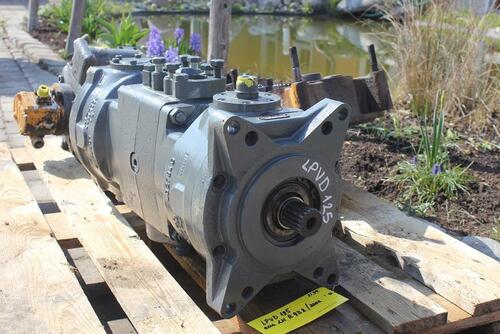
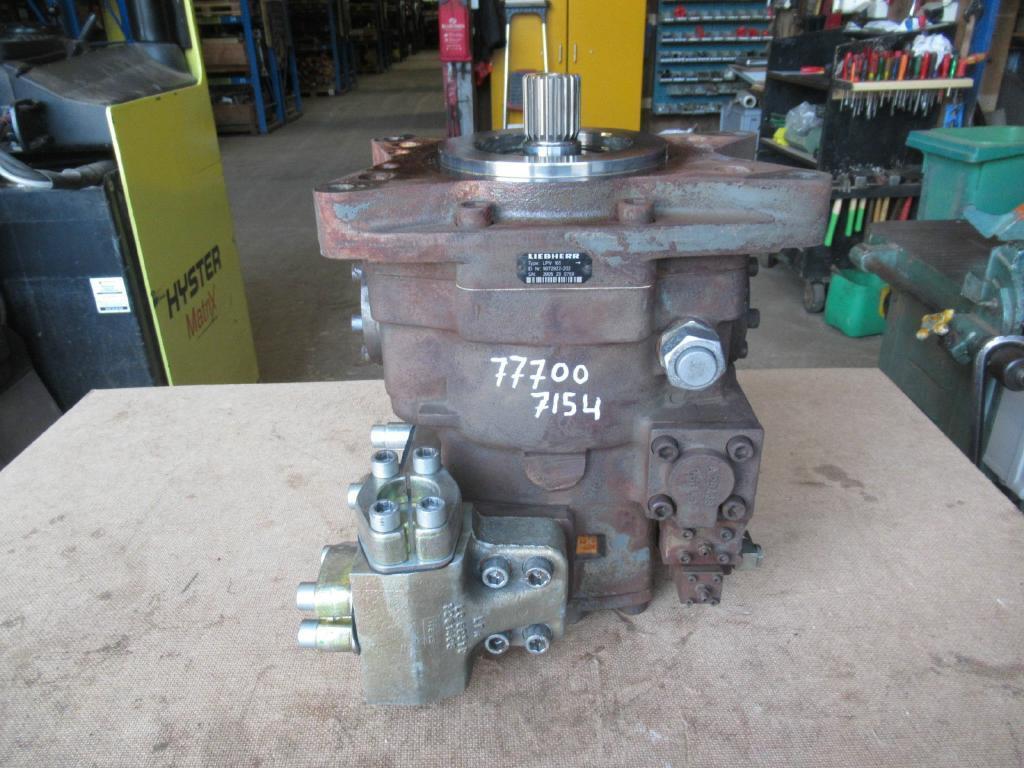
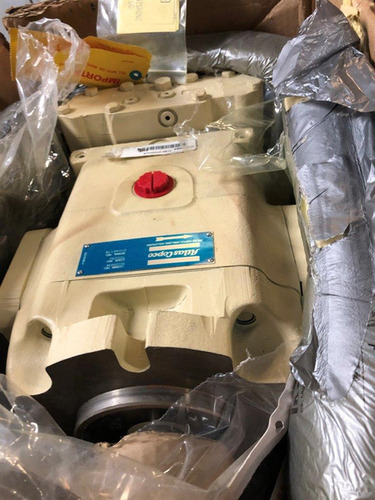
Grab your chance to unlock power and efficiency with this hot-selling Liebherr Hydraulic Pump, a top-ranking choice in hydraulic solutions. Renowned for its noteworthy performance, this lustrous pump features bi-directional rotation, self-priming capability, and a modular structure for seamless integration. Crafted from high-strength cast iron and steel, it supports pressures up to 350 Bar and flows between 60 to 250 L/min. Compatible with construction equipment, excavators, cranes, and industrial machines, maintenance is effortless with replaceable parts and high-performance nitrile rubber seals. Its compact design, low noise, and reliable operation make it indispensable for any hydraulic system.
Optimized Performance & Ease of Use
This Liebherr Hydraulic Pump offers intuitive direction of use and seamless integration, thanks to bi-directional rotation and modular structure. Special features such as axial piston theory, positive displacement suction, high-efficiency operation, and internal forced lubrication deliver enhanced longevity. The pump's advantage lies in its low-noise design, compact form factor, and reliable operation in temperature ranges of -20C to +80C, making it ideal for demanding hydraulic systems across multiple industries.
Payment Flexibility & Swift Delivery Experience
Domestic market customers enjoy transparent payment terms and a straightforward sample policy for Liebherr Hydraulic Pump orders. Transportation is streamlined through reliable channel partners to ensure quick dispatch from our warehouse. Delivery time typically aligns with project needs, offering adaptability for urgent, large-scale industrial requirements. Sample policy enables product evaluation prior to commitment, reinforcing trust and satisfaction. Our team supports efficient order handling, and service provider assistance covers every aspect of procurement.
FAQ's of Liebherr Hydraulic Pump:
Q: How do I select the correct Liebherr Hydraulic Pump model for my equipment?
A: Selection depends on desired flow rate, pressure, rotation direction, and compatible mounting type. Assess your application's requirements, such as hydraulic system specifications and the intended usage (excavator, crane, loader, industrial machine), then match them with the pump's available configurations, including splined or keyed shaft, displacement, and power rating.
Q: What are the maintenance processes for the Liebherr Hydraulic Pump?
A: The pump is designed for easy maintenance, featuring internally forced lubrication and accessible replaceable parts. Regular inspection of seals, cooling system, and lubrication helps ensure long service life and optimal performance. Always use recommended hydraulic oil for cleaning and servicing to preserve operational integrity.
Q: When is oil cooling recommended for this hydraulic pump?
A: Oil cooling is recommended during continuous high-load operation, where temperature control is critical to maintain optimal performance and prolong the pump's lifespan. Monitoring the working temperature within the range of -20C to +80C helps determine when additional cooling is required.
Q: Where is the Liebherr Hydraulic Pump used most effectively?
A: This pump finds top utility in hydraulic systems for construction equipment, such as excavators, cranes, loaders, and various industrial machines. Its robust modular design and bi-directional capabilities allow for versatile applications in both stationary and mobile settings.
Q: What are the benefits of using a Liebherr Hydraulic Pump with a hydraulic servo control system?
A: The hydraulic servo control enhances precision, efficiency, and responsiveness in fluid power applications. Integrating this control system allows users to adjust operational parameters quickly, optimizing performance for both variable and constant load cycles.
Q: How does the sample policy work for domestic customers?
A: Domestic market clients may request a sample pump for evaluation before placing bulk orders. This allows assessment of compatibility, quality, and performance within their unique applications, ensuring their procurement decisions meet operational requirements.











 English
 Spanish
 French
 German
 Italian
 Chinese (Simplified)
 Japanese
 Korean
 Arabic
 Portuguese


 Send Inquiry